
Modern living has shifted the purpose of homes from being purely functional spaces to becoming personal sanctuaries. Today, interiors are expected to support emotional balance, physical comfort, and mental clarity. The growing focus on Best interior designers in ahmedabad and healing home design reflects a deeper understanding that the spaces we live in directly influence how we feel, think, and function every day.
At Veda studio, designing a home is not limited to aesthetics. It is about creating an environment that restores energy, reduces stress, and enhances overall well-being. Every element, from layout to lighting, plays a role in shaping a calming and supportive living experience.
Creating a Sense of Calm Through Spatial Planning
The foundation of a wellness-focused home begins with thoughtful space planning. Cluttered layouts and overcrowded rooms often lead to visual stress, while open and balanced layouts promote relaxation.
A well-planned home allows natural movement, where each area feels connected yet purposeful. Spaces designed with breathing room between furniture and clear circulation paths instantly feel lighter and more comfortable. This sense of openness helps the mind relax, making the home feel less overwhelming and more inviting.
Zoning also plays an important role. Separating active zones like workspaces from restful areas like bedrooms ensures that each space supports its intended function without interference.
Natural Light as a Mood Enhancer
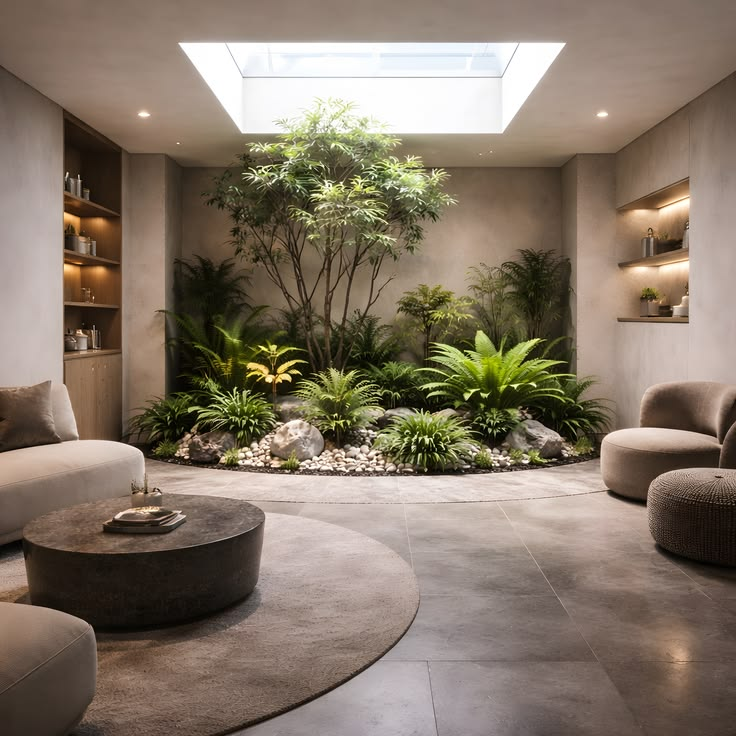
Light has a powerful effect on human psychology Homes that maximize natural light tend to feel more positive, energetic, and uplifting. Large windows, sheer curtains, and reflective surfaces help bring daylight deeper into interiors.
Soft daylight creates a connection with the outside world, helping regulate daily rhythms and improve overall mood. Even in compact homes, strategic placement of mirrors and light-colored finishes can amplify brightness.
In the absence of natural light, layered artificial lighting becomes essential. Warm ambient lighting combined with focused task lighting creates a balanced environment that supports both relaxation and productivity.
The Role of Nature in Interior Design
Bringing natural elements into the home is one of the most effective ways to enhance well-being. Materials like wood, stone, and natural fabrics create a sense of grounding, making spaces feel more connected to nature.
Indoor plants add more than just visual appeal. They introduce freshness, improve air quality, and create a calming atmosphere. Even subtle additions like a small indoor garden, natural textures, or earthy color tones can transform the feel of a space.
Designing with nature in mind does not require large changes. Simple integrations can create a noticeable shift in how a home feels and functions.
Color Palettes That Support Relaxation
Colors influence emotions more than we often realize. Wellness-focused interiors avoid overly bright or harsh tones and instead focus on soft, neutral, and earthy palettes.
Warm beiges, muted greens, soft greys, and off-whites create a soothing environment that encourages relaxation. These tones work well across different rooms, maintaining visual harmony throughout the home.
Consistency in color helps reduce visual noise, allowing the mind to rest. Subtle contrasts and layered textures can add interest without disturbing the calm atmosphere.
Comfort-Driven Furniture and Layouts
Furniture plays a critical role in how comfortable a space feels. In wellness-oriented homes, the focus is on ergonomics and ease rather than just appearance.
Soft seating, supportive mattresses, and well-designed workstations ensure that the body remains comfortable throughout the day. Furniture placement also affects how a space is experienced. Arranging seating to encourage conversation or positioning beds for optimal rest can make a significant difference.
Multi-functional furniture adds flexibility without cluttering the space, allowing rooms to adapt to different needs while maintaining a sense of order.
Acoustic Comfort and Quiet Spaces
Noise is often an overlooked factor in home design, yet it has a strong impact on stress levels. Creating quieter interiors helps improve focus, relaxation, and sleep quality.
Soft furnishings like rugs, curtains, and upholstered furniture naturally absorb sound, reducing echo and noise. Designing designated quiet zones, such as reading corners or meditation spaces, adds another layer of comfort.
A home that feels acoustically balanced contributes significantly to mental well-being, especially in busy urban environments.
Personalization for Emotional Connection
A wellness-focused home should reflect the personality and lifestyle of its residents. Personal touches create emotional comfort, making the space feel truly yours.
Artwork, meaningful objects, and curated decor elements can bring a sense of identity to the home. However, balance is key. Too many elements can create clutter, while carefully selected pieces add warmth and character.
Personalization is not about filling space, but about choosing elements that resonate and bring joy.
The Importance of Air and Ventilation
Fresh air and proper ventilation are essential for a healthy living environment. Homes designed with cross-ventilation feel more breathable and comfortable.
Air quality can be improved through natural ventilation, indoor plants, and the use of low-emission materials. Spaces that allow air to circulate freely feel lighter and more refreshing.
Good ventilation not only supports physical health but also enhances the overall experience of living within the space.
Designing Spaces for Mindful Living
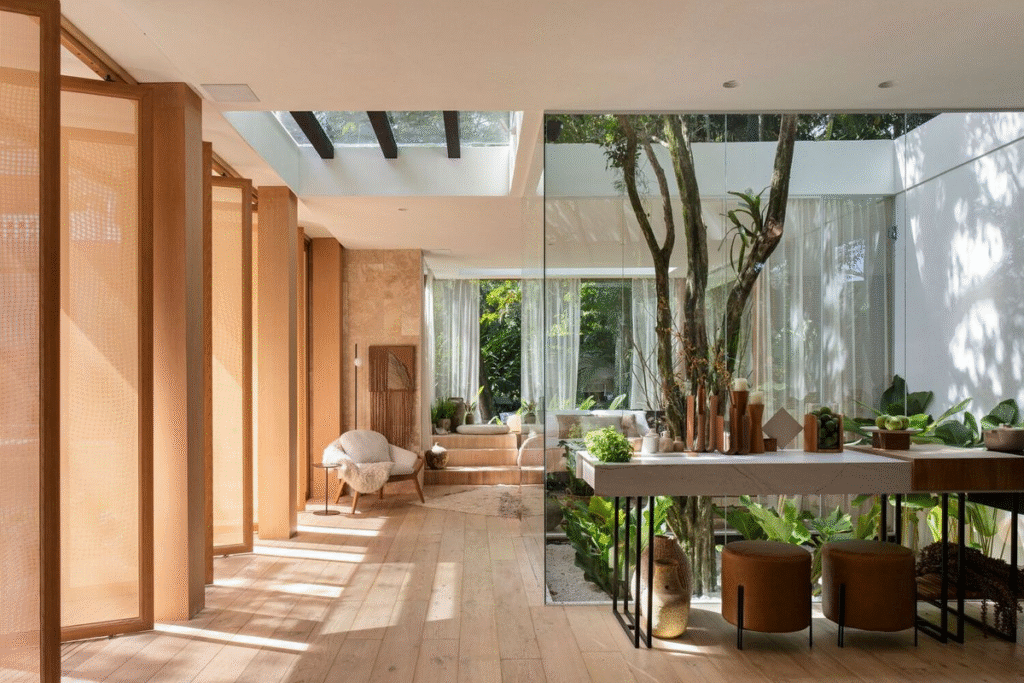
Modern homes are increasingly incorporating areas dedicated to mindfulness and relaxation. Whether it is a small meditation corner, a reading nook, or a quiet balcony, these spaces encourage moments of pause in daily life.
Such areas do not need to be large. Even a simple corner with comfortable seating and soft lighting can become a retreat within the home.
Mindful spaces remind us to slow down, creating a balance between activity and rest.
A Holistic Approach to Living Spaces
Wellness in design is not achieved through a single element but through the integration of multiple factors working together. Light, air, materials, colors, and layout all contribute to creating a balanced environment.
At Veda studio, the goal is to design homes that support both lifestyle and well-being. By focusing on comfort, simplicity, and connection to nature, interiors become more than just visually appealing spaces—they become environments that nurture and restore.
Designing for wellness is about understanding how people live and what they need to feel their best. When a home is created with this intention, it naturally becomes a place of calm, clarity, and comfort.