
Modern homes are evolving rapidly, and flexibility has become the defining element of intelligent design. Urban living, compact layouts, and hybrid lifestyles have transformed the way spaces are planned. Today, homeowners want rooms that adapt to changing needs rather than remain limited to a single function. The rise of Multi-Functional Spaces reflects this shift, where thoughtful layouts allow one room to seamlessly serve multiple purposes without compromising comfort or style.
At Veda Studio, design is approached with adaptability in mind. Instead of adding more rooms, the focus is on enhancing usability within existing square footage. This strategy not only maximizes space efficiency but also adds long-term value to the property.
The Shift Toward Flexible Living
Homes are no longer static environments. A living room may need to double as a workspace during the day and transform into an entertainment zone by evening. A guest bedroom might also function as a reading lounge or creative studio. This fluid approach to planning ensures that every corner of the home contributes meaningfully to daily life.
Flexible living is driven by evolving routines. Remote work, online learning, wellness practices, and home-based hobbies demand dynamic environments. Rather than dedicating separate rooms to each activity, homeowners now prefer spaces that transition smoothly between uses.
Designing such environments requires clarity in zoning. Even within a single room, subtle layout techniques can create visual separation without physical barriers. Rugs, lighting layers, and furniture placement play a crucial role in defining areas while maintaining openness.
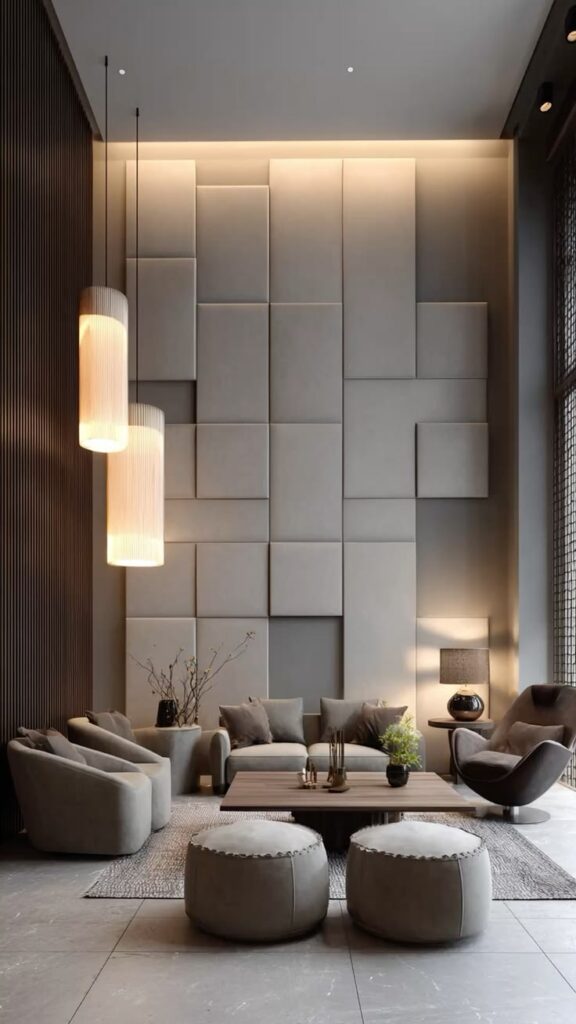
Smart Furniture for Adaptive Interiors
The foundation of a versatile room lies in furniture selection. Modular sofas, foldable desks, and concealed storage systems are central to achieving seamless transformations. Intelligent furniture solutions allow spaces to expand or contract based on immediate needs.
A wall-mounted desk that folds away after work hours can instantly restore a room’s leisure appeal. Sofa beds ensure that overnight guests are accommodated without dedicating an entire room to occasional use. Storage-integrated seating reduces clutter while maintaining aesthetic harmony.
Zoning Without Walls
Creating multiple purposes within a single space does not require heavy partitions. Modern homes emphasize openness while subtly defining areas through design language. Visual boundaries can be created using varied materials, ceiling treatments, or changes in lighting intensity.
For example, a workspace corner can be distinguished with a textured backdrop or pendant lighting, while the rest of the room retains softer ambient illumination. Open shelving units can act as partial dividers, offering both storage and gentle separation.
Storage as a Design Strategy
A multi-purpose room can only function efficiently when clutter is minimized. Storage planning becomes essential in maintaining clarity and comfort. Concealed cabinets, vertical shelving, and customized wardrobes help maintain order without overwhelming the space.
Integrated storage solutions allow quick transitions between functions. A work desk with built-in drawers keeps office essentials hidden when not in use. Wall units with sliding panels can conceal entertainment systems or study materials as required.
The goal is to maintain visual simplicity while supporting practical needs. When storage is seamlessly incorporated, the room retains elegance regardless of how frequently its function changes.
Balancing Aesthetics and Utility
While functionality drives the concept of adaptability, aesthetics remain equally important. A space that constantly shifts purpose must maintain visual consistency. Neutral palettes, clean lines, and coordinated textures help ensure that transformations feel natural rather than disruptive.
Choosing timeless finishes allows the room to evolve without appearing outdated. Soft, versatile color schemes complement both professional and personal activities, whether the space is used for meetings, relaxation, or social gatherings.
The essence of Flexible Living lies in designing interiors that feel intentional rather than improvised. Each piece of furniture, each lighting fixture, and each layout decision must contribute to both immediate usability and long-term comfort.
Technology Supporting Multi-Use Environments
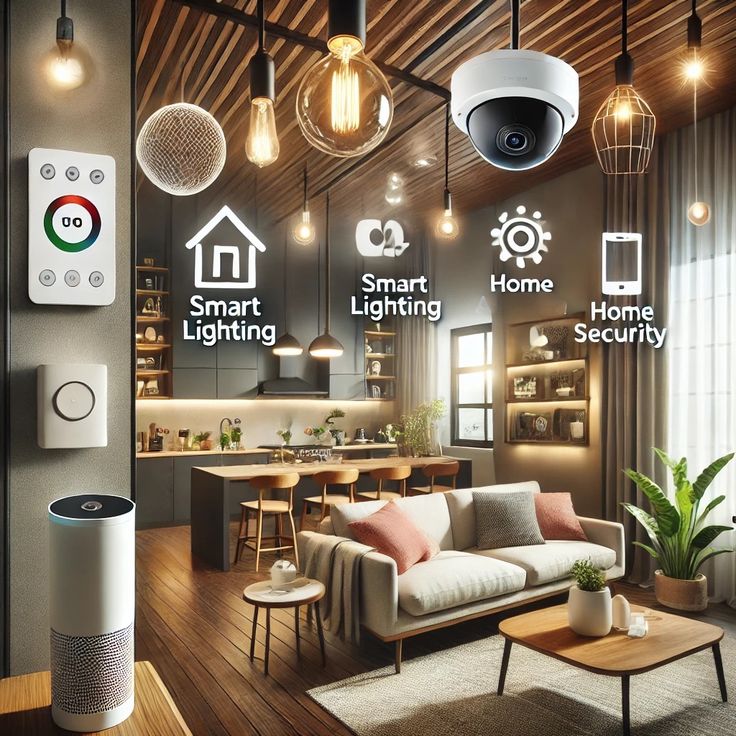
Technology plays a subtle yet impactful role in modern adaptable spaces. Smart lighting systems allow brightness adjustments depending on the activity. Adjustable color temperatures can shift from focused white light for productivity to warm tones for relaxation.
Hidden charging stations and integrated connectivity ensure that work tools remain accessible without creating visual clutter. Audio systems that blend seamlessly into walls maintain entertainment functionality without disrupting minimal design.
By integrating technology thoughtfully, homeowners can enhance versatility while preserving design integrity.
Designing for the Future
Multi-functional rooms are not just a passing trend; they are a response to evolving lifestyles. As urban spaces become more compact and routines more dynamic, adaptable interiors will continue to gain importance.
At Veda Studio, the focus remains on crafting homes that grow with their residents. By prioritizing intelligent layouts, adaptable furniture, strategic storage, and cohesive aesthetics, one room can truly serve multiple purposes without compromise.
Modern living demands flexibility, and thoughtful design makes it possible. When a single room transforms effortlessly throughout the day, it reflects not only smart planning but also a deeper understanding of how homes are meant to support real life.