
A beautiful home can impress visitors, but a thoughtfully designed home can improve the way you live every day.
When planning an interior, homeowners usually think about colours, furniture, flooring, wardrobes and décor. These elements are important, but there is another question worth asking: How should the home make you feel?
Your surroundings can influence your daily routine. A cluttered bedroom may feel less relaxing, a poorly planned workspace can make concentration difficult, and an uncomfortable living area may discourage family interaction.
This is why modern interior design is moving beyond appearance. The goal is to create homes that support better sleep, deeper focus and everyday happiness while still looking beautiful.
Start With the Lifestyle, Not the Look
Every family uses its home differently.
One person may work from home for eight hours a day, while another may need a quiet corner for reading or studying. Children may use the dining table for homework, and the living room may become the family’s main gathering space in the evening.
Instead of starting with a Pinterest image or a furniture catalogue, start by understanding these routines.
Ask:
- Where does the family spend most of its time?
- Which areas become cluttered most quickly?
- Where is privacy needed?
- Which spaces need to serve multiple purposes?
- What part of the home feels uncomfortable or underused?
These answers can help create a layout that feels natural rather than simply fashionable.
Create a Bedroom That Encourages Rest
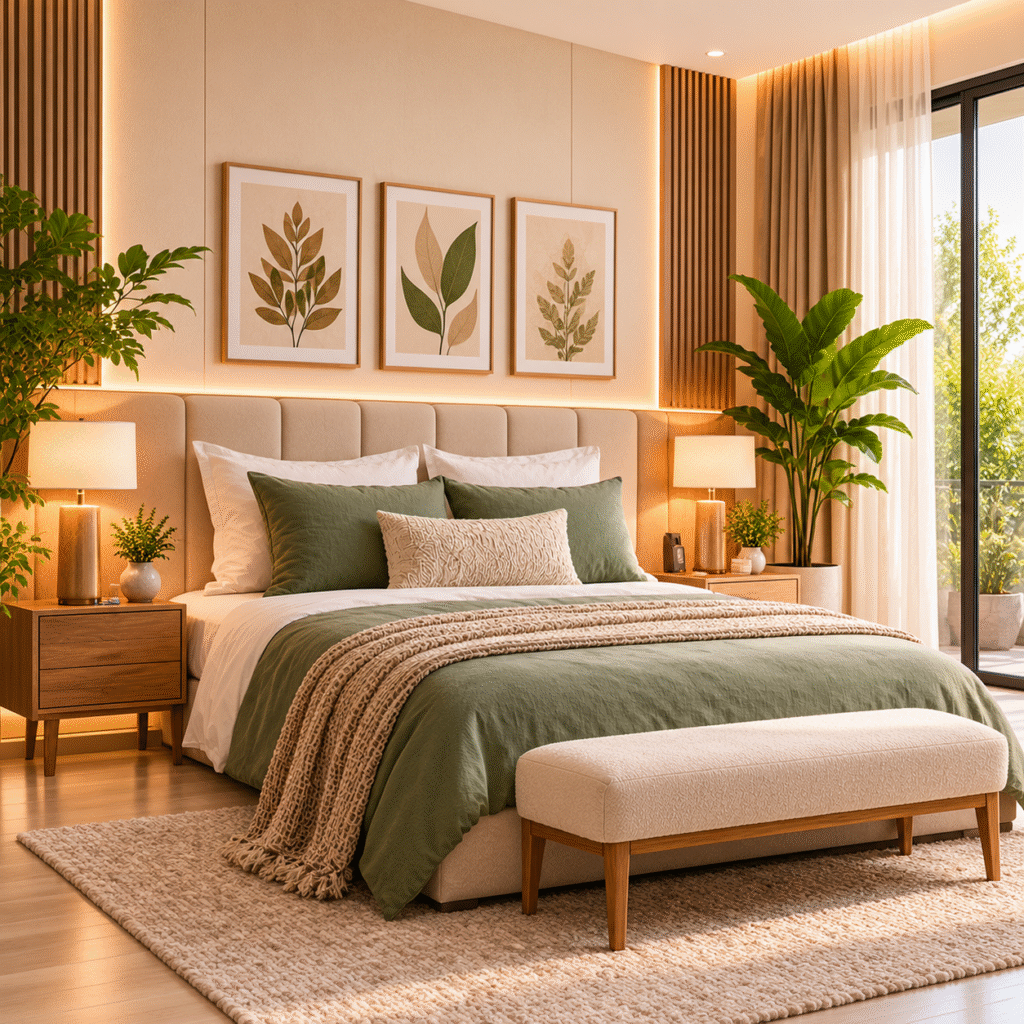
The bedroom should be one of the calmest spaces in the house.
A room filled with bright colours, excessive decoration and visible clutter can feel mentally busy. A more restrained design can create a stronger sense of relaxation.
Consider using:
- Soft, neutral or earthy colours
- Warm and layered lighting
- Comfortable natural fabrics
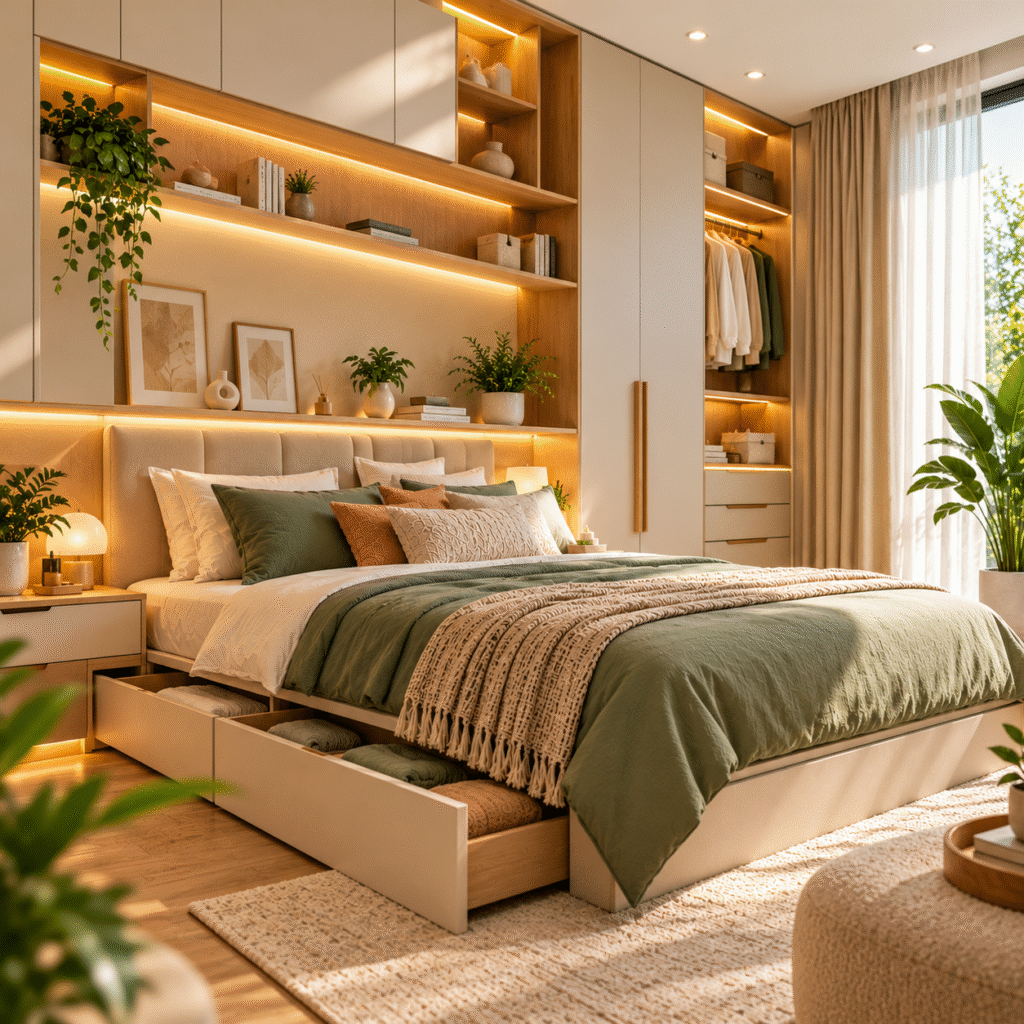
- Closed storage for everyday belongings
- Minimal bedside clutter
- Curtains or blinds for effective light control
Furniture placement matters too. The bed should have comfortable circulation around it, while frequently used items should remain easy to reach.
The objective is not to create a hotel-style bedroom. It is to create a personal environment where the transition from a busy day to rest feels effortless.
Design a Workspace That Helps You Focus
For people working or studying at home, the workspace deserves as much attention as the living room.
When a laptop is placed on the sofa or dining table every day, work can gradually spread into personal time. A dedicated work zone creates a psychological boundary.
Even a small corner can work effectively when planned properly.
Include:
- An ergonomic chair and suitable desk
- Adequate task lighting
- Convenient electrical points
- Organised cable management
- Storage for important documents
- A visually clean background
Natural light can also make a workspace feel more comfortable. However, the desk should be positioned carefully to avoid screen glare.
Good workspace design is not about making your home look like an office. It is about creating an environment where your attention has fewer reasons to wander.
Let Lighting Change With the Day
Lighting has a powerful influence on the character of an interior.
Instead of depending on one bright ceiling fixture, use different layers of lighting for different activities.
Ambient lighting provides overall illumination.
Task lighting supports activities such as reading, cooking, studying or working.
Accent lighting adds depth and highlights artwork, textures or architectural features.
During the day, maximise natural light wherever possible. In the evening, softer lighting can make living spaces feel warmer and more relaxed.
The best lighting plan is therefore not simply about making a room bright. It is about creating the right atmosphere for the right moment.
Make Storage Part of the Design
A home can become stressful when everyday objects have nowhere to go.
Keys end up on the dining table, bags occupy chairs and charging cables appear everywhere. These small things gradually create visual clutter.
Smart interior planning can prevent this.
Consider:
- Shoe and key storage near the entrance
- Built-in wardrobes
- Concealed storage units
- Dedicated charging points
- Multifunctional furniture
- Organised kitchen storage
The idea is not to hide everything. It is to make sure that frequently used objects have a logical place.
When storage follows your daily habits, keeping the home organised becomes much easier.
Bring Nature Into Your Home
Natural elements can give an interior a softer and more grounded character.
Wood, stone, indoor plants, natural fabrics and daylight can introduce warmth without excessive decoration.
A wooden console, a small balcony garden, linen curtains or a few carefully placed plants may be enough to create a stronger connection with nature.
The key is balance. Natural materials should complement the architecture rather than turn the home into a themed space.
Design Spaces That Encourage Connection
Happiness at home is also about relationships.
Furniture arrangement can influence how people interact. If every chair faces a television, conversation may naturally become secondary. A seating arrangement that allows people to face one another can encourage interaction.
Consider creating small spaces for everyday moments:
- A breakfast corner for slow mornings
- A reading nook for personal time
- A comfortable family seating area
- A balcony corner for evening conversations
- A flexible space for games or hobbies
These spaces may appear simple, but they can become the places where some of the home’s best memories are created.
Leave Room for Personality
A home should not feel like a showroom.
Family photographs, books, artwork, travel souvenirs and handmade objects give an interior a personal identity. These details make a space feel lived-in and emotionally connected to its residents.
Instead of following every interior trend, choose pieces that have meaning.
Trends can change. Personal stories remain.
Choose Designers Who Understand How You Live
If you are looking for the best interior designers in Ahmedabad, do not judge a designer only by how attractive their portfolio looks.
A good designer should understand your routines, priorities, storage needs, lighting preferences and long-term requirements.
An experienced interior designing studio in Ahmedabad should bring together aesthetics and functionality rather than treating them as separate elements.
Similarly, when comparing home interior designers in Ahmedabad, ask whether they are designing for your actual lifestyle or simply applying a popular design style.
The Veda Studio Perspective
At Veda Studio, the idea of good interior design goes beyond creating visually attractive rooms.
A thoughtfully designed home should help you rest when you are tired, focus when you need concentration, connect with your family and feel comfortable in your own space.
Because the best home is not necessarily the most luxurious one.
It is the one that quietly makes everyday life better.