
Ahmedabad’s heat is something every homeowner experiences, but that doesn’t mean your interiors need to look like they were designed around the weather.
Good climate-responsive design should be felt rather than seen.
The goal is not to fill your home with bulky curtains, dark rooms or obvious cooling solutions. It is to quietly make the space cooler, more comfortable and more energy-efficient while keeping the interiors elegant.
For homeowners working with the best interior designers in Ahmedabad, this balance between comfort and aesthetics can make a major difference.
1. Start With Natural Light, Not Just Sunlight
Natural light can make a home feel open and welcoming, but uncontrolled sunlight can quickly increase indoor heat.
Instead of blocking all the light, control where it enters.
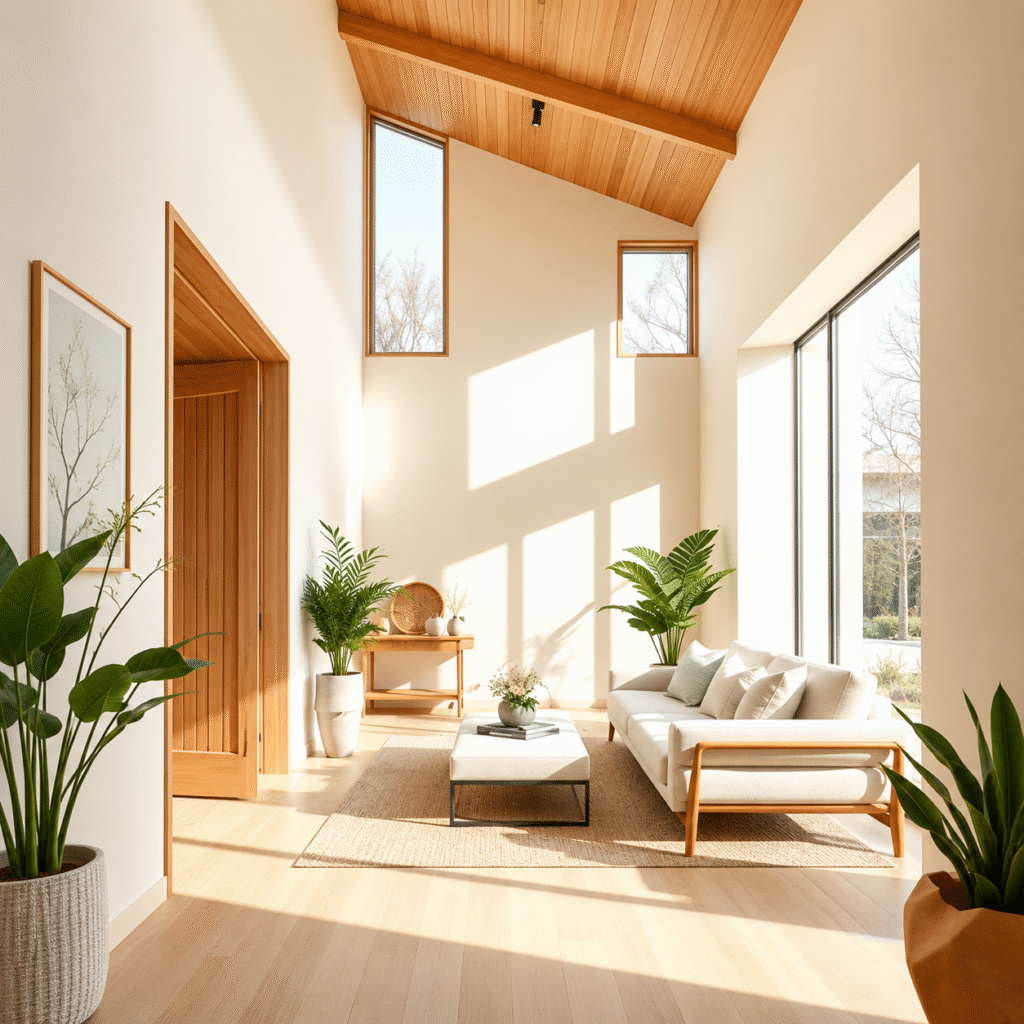
Consider:
- Sheer curtains combined with blackout layers
- Solar-control window treatments
- Light-filtering blinds
- Deep window reveals
- Strategic furniture placement
The idea is to maintain brightness without allowing harsh afternoon sunlight to dominate the room.
2. Choose Materials That Feel Naturally Cooler
Material selection can influence how a room feels.
For Ahmedabad homes, natural and thermally comfortable materials can be incorporated without making the interiors look overly “climate-conscious.”
Consider:
- Natural stone
- Marble
- Kota stone
- Light-coloured tiles
- Wood
- Cotton and linen fabrics
The key is how these materials are combined.
A cool stone floor paired with warm wood furniture and soft textiles can feel luxurious rather than purely functional.
3. Keep the Colour Palette Light but Interesting
Light colours can help create a visually cooler atmosphere, but an all-white interior isn’t necessary.
Instead, create a layered neutral palette using:
- Warm whites
- Beige
- Sand
- Soft grey
- Muted green
- Terracotta accents
- Natural wood tones
This creates a relaxed atmosphere while avoiding the clinical feeling that can sometimes come with overly bright interiors.
4. Make Ventilation Part of the Design
Air movement is one of the simplest ways to improve comfort.
Where the home’s architecture allows, consider:
- Cross ventilation
- Larger operable windows
- Ventilated transitional spaces
- Internal openings
- Shaded balconies
- Louvred elements
These features can be integrated into the architecture so they don’t look like separate “climate solutions.”
A thoughtful interior designing studio in Ahmedabad should consider ventilation and airflow alongside furniture planning and aesthetics.
5. Treat Windows as a Design Element
Windows are often treated simply as openings, but they can play a major role in the comfort of a home.
Instead of covering them completely, consider creating layers.
A practical combination could include:
Sheer layer → filters daylight
Curtain/blind → controls heat and privacy
Exterior shading → reduces direct solar exposure
This allows homeowners to adjust the environment throughout the day.
6. Use Greenery Strategically
Plants can add softness and freshness to an interior, but greenery should be used thoughtfully.
Instead of filling every corner with plants, consider:
- Balcony greenery
- Indoor trees near windows
- Vertical planting in suitable areas
- Plants around transitional spaces
The result should feel intentional and architectural rather than decorative clutter.
7. Don’t Forget the Ceiling
Ceilings have a significant visual and functional role in a home.
Instead of complicated false ceilings, consider a simpler approach with:
- Efficient lighting
- Light finishes
- Concealed services
- Ceiling fans integrated into the design
- Minimal visual clutter
A well-planned ceiling can make a room feel more spacious while supporting everyday comfort.
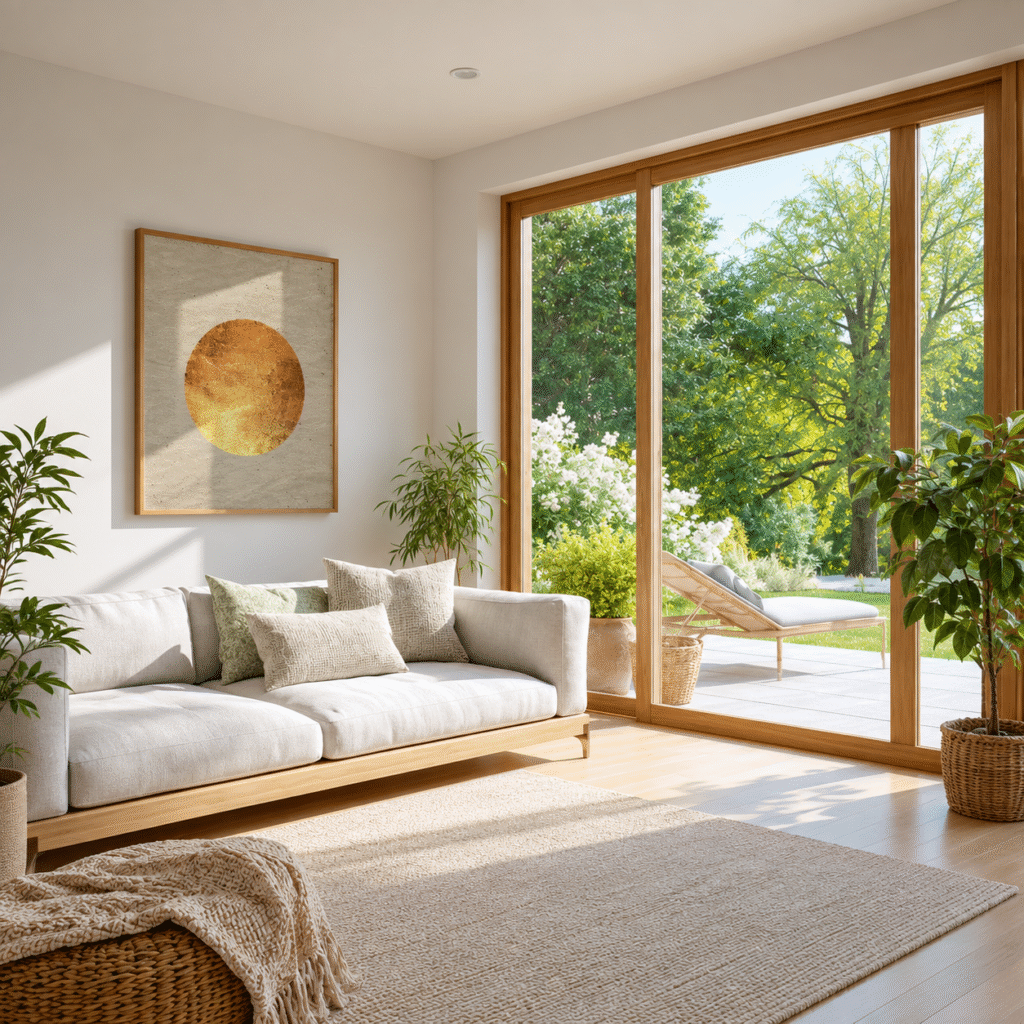
Climate-Responsive Design Should Feel Invisible
The best climate-conscious interiors don’t announce themselves.
You shouldn’t walk into a room and think:
“This room has been designed for hot weather.”
You should simply feel:
“This room feels comfortable.”
That is the difference between climate-designed and climate-responsive design.
What Veda Studio Believes
For Ahmedabad homes, comfort and luxury don’t have to compete.
The right combination of:
- Materials
- Light
- Ventilation
- Window treatments
- Colours
- Furniture
- Greenery
- Spatial planning
can create a home that responds to Ahmedabad’s climate while still feeling personal and sophisticated.
If you’re looking for home interior designers in Ahmedabad, choose a design approach that considers climate as part of the overall experience not as a visual theme.
Because the best climate-responsive home is not the one that looks designed for the weather.
It’s the one that simply feels right.