
When we think about interior design, our minds usually go to colours, furniture, lighting, flooring, and décor. But there is another element that quietly influences almost every design decision: the climate.
For a city like Ahmedabad, this becomes especially important. The city’s hot summers, strong sunlight, dry conditions, and seasonal changes can affect everything from the materials you choose to the way natural light enters your home.
A home can look beautiful in a design presentation, but the real test begins when you live in it through Ahmedabad’s summer heat.
That is why good interior design isn’t simply about making a space look beautiful. It’s about understanding the environment and designing a home that works with it.
At Veda Studio, we believe climate-responsive design is one of the foundations of comfortable, long-lasting interiors.
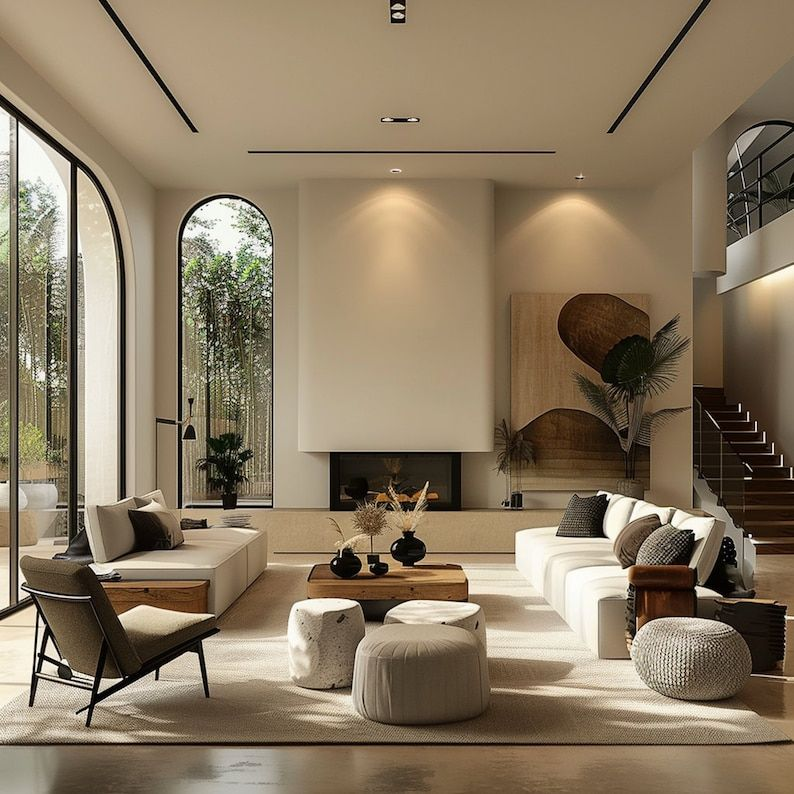
Ahmedabad’s Climate Is Part of the Design Brief
Ahmedabad experiences very hot summers, with temperatures often becoming intense during the peak months. The city also experiences a monsoon season and relatively cooler winters.
This changing environment means your interiors need to handle different conditions throughout the year.
Your interior design may need to respond to:
- Strong afternoon sunlight.
- Heat entering through windows and balconies.
- Changes in humidity during monsoon.
- Dust and outdoor pollution.
- Seasonal changes in ventilation requirements.
- Increased dependence on air conditioning during summer.
Ignoring these factors can result in interiors that look great initially but become uncomfortable or difficult to maintain over time.
1. Natural Light Is Beautiful But Too Much Can Be a Problem
Natural light is one of the most desirable features in any home. It makes rooms feel brighter, larger, and more connected to the outdoors.
But in Ahmedabad, strong sunlight can also increase indoor heat, particularly when large windows receive direct afternoon sun.
The answer isn’t to block daylight completely.
It’s about controlling it intelligently.
Consider:
- Sheer curtains combined with blackout curtains.
- Solar-control blinds.
- Layered window treatments.
- Light-filtering films where appropriate.
- Furniture placement that avoids direct heat exposure.
The goal is to enjoy natural light without allowing your interiors to become unnecessarily warm.
2. Your Windows Are More Important Than You Think
Windows aren’t just architectural openings they influence the temperature, lighting, and overall comfort of a room.
Large glass windows can create beautiful views and bring in abundant daylight, but they also require thoughtful shading and material selection.
During interior planning, consider:
- Which direction the windows face.
- How much direct sunlight enters during the day.
- Whether curtains can fully control the light.
- How furniture will be affected by sunlight.
- Whether certain finishes may fade over time.
A beautiful window deserves an equally thoughtful window-treatment strategy.
3. Choose Materials for More Than Just Their Appearance
A material might look stunning in a showroom, but how will it behave after years of exposure to heat, sunlight, dust, and everyday use?
This is where climate-conscious material selection becomes important.
Depending on the application, consider:
- Durable laminates.
- Natural stone.
- Quality wood veneers.
- Heat-resistant finishes.
- Easy-to-maintain surfaces.
- Moisture-resistant materials for appropriate areas.
The right material should complement the aesthetic while also making sense for Ahmedabad’s environment.
4. Flooring Can Influence How a Home Feels
Flooring covers a significant portion of your home, so its visual and physical character matters.
Natural stone, porcelain tiles, and other suitable hard surfaces can create a cool, refined feeling underfoot and work well with many contemporary interior styles.
When selecting flooring, think about:
- Heat absorption.
- Maintenance.
- Durability.
- Cleaning requirements.
- Slip resistance, particularly in areas exposed to moisture.
A flooring choice should look beautiful on day one and continue performing well years later.
5. Ventilation Shouldn’t Be an Afterthought
Air conditioning can make summer more comfortable, but good interior planning shouldn’t depend entirely on it.
Whenever the architecture allows, natural ventilation can help improve the overall indoor environment.
Think about:
- Cross ventilation.
- Window placement.
- Door and window openings.
- Kitchen exhaust.
- Bathroom ventilation.
- Placement of furniture around airflow paths.
Even small planning decisions can influence how fresh and comfortable a room feels.
6. Your Kitchen Needs Extra Attention
The kitchen already generates heat through cooking appliances.
Combine that with Ahmedabad’s summer temperatures, and poor ventilation can quickly make the space uncomfortable.
A climate-conscious kitchen should consider:
- Effective exhaust systems.
- Proper ventilation.
- Heat-resistant surfaces.
- Easy-to-clean finishes.
- Appliance placement that allows sufficient clearance.
- Adequate task lighting.
A beautiful kitchen should also be comfortable to actually cook in.
7. Bedrooms Should Be Designed for Comfort, Not Just Aesthetics
The bedroom is where comfort matters most.
During Ahmedabad’s warmer months, the wrong combination of dark colours, heat-absorbing materials, poor airflow, and inadequate light control can make a bedroom feel uncomfortable.
Consider creating a calmer environment with:
- Breathable fabrics.
- Soft, light-reflective colours.
- Layered curtains.
- Comfortable upholstery.
- Appropriate lighting.
- Good airflow around furniture.
Your bedroom should feel like a retreat at the end of a long day.
8. Don’t Forget About Monsoon
Ahmedabad’s climate isn’t only about summer heat.
During the monsoon season, humidity and moisture become important considerations.
Areas such as kitchens, bathrooms, utility spaces, balconies, and spaces near windows may require materials and finishes that can handle occasional moisture.
Good planning may include:
- Moisture-resistant materials in suitable areas.
- Proper bathroom ventilation.
- Easy-to-clean surfaces.
- Adequate drainage around wet zones.
- Careful selection of fabrics and wood finishes.
Designing for the full year not just summer is what makes an interior truly practical.
9. Colours Can Change the Perception of Temperature
Colour doesn’t literally control the temperature of a room, but it can significantly influence how the space feels.
Lighter shades often create a sense of openness and airiness, while earthy neutrals can add warmth without making a room visually heavy.
Consider palettes such as:
- Warm whites.
- Ivory.
- Beige.
- Soft taupe.
- Sand tones.
- Light greys.
- Muted greens.
- Natural wood tones.
This doesn’t mean every Ahmedabad home needs to be white or beige.
The idea is to create balance between visual warmth and visual lightness.
10. Fabrics Matter More Than You Think
Curtains, upholstery, carpets, and bedding cover a significant amount of surface area in a home.
Their texture and weight can change how a room feels.
For warmer environments, homeowners may prefer lighter, breathable fabrics for certain applications, while layered window treatments can provide flexibility throughout the year.
Depending on the room, consider:
- Linen blends.
- Cotton fabrics.
- Light upholstery.
- Breathable curtains.
- Washable materials in high-use areas.
The right textile choices can make a room feel more relaxed and comfortable.
11. Smart Home Technology Can Help Manage the Climate
Climate-responsive design doesn’t have to stop with materials and architecture.
Technology can make your home more responsive.
Smart solutions can include:
- Automated curtains and blinds.
- Smart thermostats.
- Temperature sensors.
- Automated lighting.
- Energy monitoring.
- Smart air-conditioning controls.
For example, automated blinds can reduce direct afternoon sunlight while still allowing natural light into the room.
The technology works quietly in the background while the interiors remain clean and sophisticated.
12. Think About Maintenance Before Choosing the “Perfect” Finish
A material may look incredible in a showroom but require constant cleaning to maintain that appearance.
In a city where dust and heat are part of everyday life, practicality matters.
Before finalizing a material, ask:
- Is it easy to clean?
- Will it show dust easily?
- How will it age?
- Is it sensitive to sunlight?
- Does it require special maintenance?
- Can it handle everyday family use?
The best material isn’t necessarily the most expensive one.
It’s the one that works beautifully for your lifestyle.
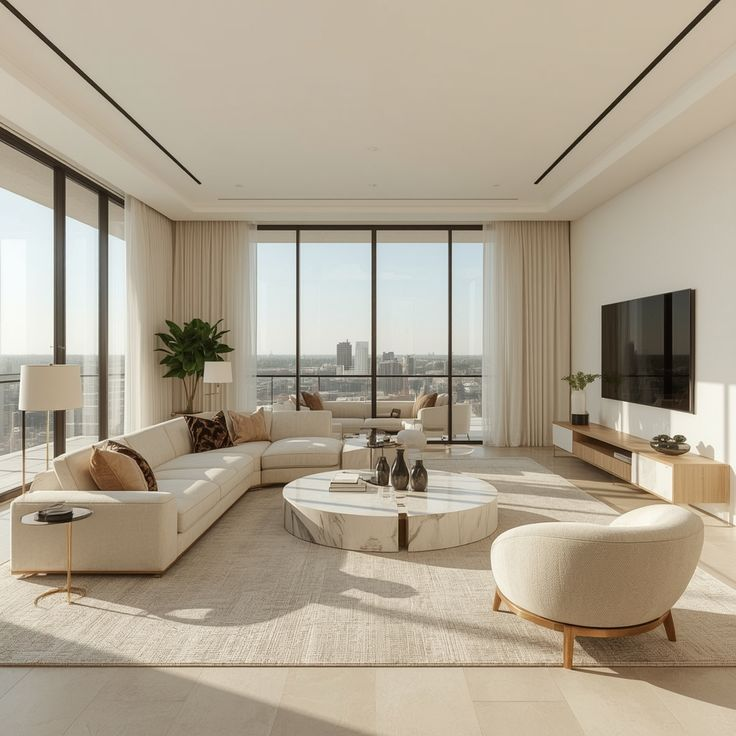
Climate-Responsive Design Doesn’t Mean Compromising on Luxury
There is a common misconception that climate-conscious interiors have to be simple or purely functional.
They don’t.
You can have:
- Premium materials.
- Elegant furniture.
- Statement lighting.
- Beautiful artwork.
- Bespoke cabinetry.
- Smart home technology.
- Sophisticated colour palettes.
The difference is that every element is selected with the environment and lifestyle in mind.
That’s what makes the design intelligent.
The Ahmedabad Home of the Future
As temperatures rise and homeowners become more conscious of energy consumption, climate-responsive interiors are becoming increasingly relevant.
The future isn’t about choosing between comfort and aesthetics.
It’s about designing homes where the two work together.
A well-planned Ahmedabad home should be able to welcome sunlight without overheating, stay comfortable during summer, handle seasonal moisture, and remain easy to maintain all while looking beautiful.
Final Thoughts
Your city’s climate should never be an afterthought in interior design. It influences how you use your windows, choose materials, plan ventilation, select fabrics, control sunlight, and even decide where furniture should be placed.
For Ahmedabad homeowners, designing with the climate in mind can make the difference between a home that simply looks beautiful and one that genuinely feels comfortable throughout the year.
At Veda Studio, we believe great interiors begin with understanding the complete picture the architecture, the climate, the lifestyle, and the people who will live in the space. Our approach combines thoughtful planning with refined aesthetics to create homes that are not only beautiful but also practical for Ahmedabad living.
Because the best-designed home isn’t the one that ignores its surroundings. It’s the one that works beautifully with them