
A company’s culture isn’t built only through mission statements, employee benefits, or annual team outings. It is shaped by the experiences employees have every single day and one of the biggest contributors to that experience is the office itself.
Think about it. Employees spend nearly one-third of their day at work. The environment they walk into every morning influences how they collaborate, communicate, focus, and even how they feel about the organization. A thoughtfully designed office doesn’t just look impressive; it creates an atmosphere where people feel valued, motivated, and connected.
At Veda Studio, we believe great office design is about more than aesthetics. It’s about creating spaces that support people, strengthen company culture, and contribute to long-term business success.
What Is Company Culture?
Company culture is the shared values, behaviours, and work environment that define how employees interact with each other and the organization. It influences everything from employee satisfaction and productivity to innovation and customer experience.
While leadership and policies play a significant role, the physical workspace quietly reinforces these values every day.
How Office Design Influences Company Culture
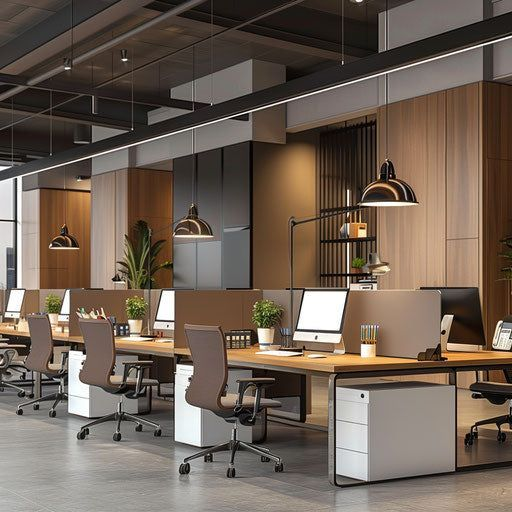
1. It Encourages Better Collaboration
A well-designed office naturally brings people together. Instead of forcing collaboration, it creates opportunities for conversations to happen organically.
Smart design features include:
- Open collaboration zones for brainstorming.
- Comfortable breakout spaces for informal discussions.
- Flexible meeting rooms for team interactions.
- Cafeteria and lounge areas that encourage relationship-building.
When employees interact more frequently, ideas flow faster, communication improves, and teamwork becomes a natural part of the workday.
2. It Improves Employee Productivity
Productivity isn’t just about working harder it’s about working smarter in an environment that minimizes distractions and supports focus.
Elements that boost productivity:
- Ergonomic workstations.
- Adequate natural lighting.
- Noise-control solutions.
- Organized layouts with easy movement.
- Dedicated quiet zones for focused work.
Employees perform better when their workspace supports concentration instead of creating obstacles.
3. It Reflects Company Values
Your office is often the first physical interaction employees, clients, and business partners have with your brand.
Ask yourself:
- Does your workspace communicate professionalism?
- Does it encourage creativity?
- Does it reflect innovation?
- Does it make employees feel proud to work there?
An office should visually represent the company’s identity rather than simply provide desks and chairs.
4. It Supports Employee Well-Being
A healthy workplace creates healthier employees.
Modern office design increasingly focuses on physical and mental wellness by creating spaces that reduce stress and improve comfort.
Wellness-focused design includes:
- Natural ventilation.
- Indoor plants and biophilic elements.
- Comfortable seating.
- Proper lighting.
- Relaxation and breakout zones.
- Clean, clutter-free layouts.
Employees who feel physically comfortable are generally more engaged and motivated.
5. It Builds Stronger Team Relationships
Company culture grows through everyday interactions not just formal meetings.
Spaces that encourage casual conversations often strengthen workplace relationships.
Examples include:
- Coffee corners.
- Collaborative lounges.
- Multi-purpose common areas.
- Recreation zones.
- Informal discussion spaces.
Some of the best ideas emerge during spontaneous conversations rather than scheduled meetings.
6. It Creates a Positive First Impression
Whether it’s a client, investor, or potential employee, your office creates an impression before anyone speaks.
A thoughtfully designed workspace communicates:
- Professionalism.
- Attention to detail.
- Brand credibility.
- Business growth.
- Employee-centric values.
First impressions often influence long-term relationships.
7. It Supports Hybrid and Flexible Working
Today’s workplaces are no longer designed around fixed desks alone.
Modern teams require spaces that support different ways of working.
Flexible office spaces include:
- Hot desks.
- Collaborative workstations.
- Video conferencing rooms.
- Phone booths.
- Private cabins.
- Multipurpose meeting spaces.
Flexibility helps employees choose environments that match the task they’re performing.
8. It Strengthens Employee Retention
People are more likely to stay with organizations where they feel comfortable, respected, and supported.
While office design isn’t the only reason employees stay, it contributes significantly to the overall employee experience.
A workplace that prioritizes comfort, functionality, and well-being helps create a stronger emotional connection between employees and the organization.
Common Office Design Mistakes That Affect Company Culture
Even well-intentioned businesses sometimes make design decisions that negatively impact workplace culture.
Some common mistakes include:
- Poor lighting throughout the office.
- Lack of collaborative spaces.
- Overcrowded workstations.
- Insufficient meeting rooms.
- Ignoring employee comfort.
- Limited storage solutions.
- Excessive workplace noise.
- Inconsistent branding across the workspace.
- Poor space planning.
- Designing only for appearance instead of functionality.
Avoiding these mistakes can dramatically improve the daily employee experience.
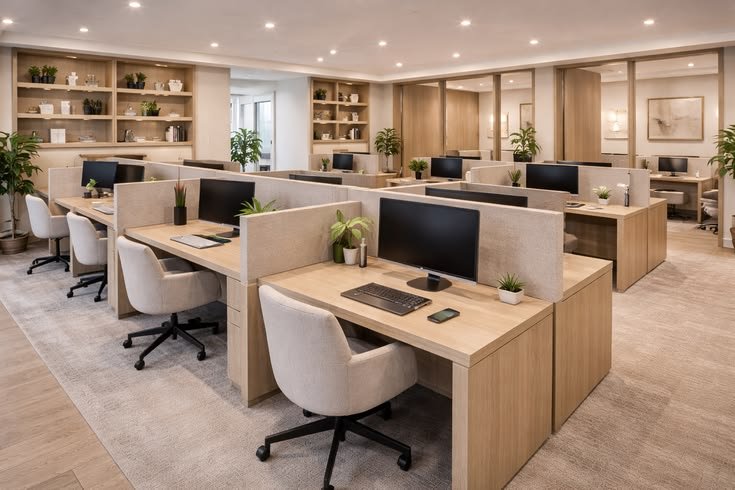
Designing an Office That Inspires People
Creating a positive company culture starts with understanding how your employees work.
Before designing or renovating your office, ask questions like:
- How do teams collaborate?
- Where do employees need privacy?
- Which areas experience the most traffic?
- How can natural light be maximized?
- Are there enough informal meeting spaces?
- Does the office reflect the company’s brand identity?
The answers will help create a workspace that genuinely supports your people.
Why Businesses Are Investing More in Office Design
Companies today recognize that office design is no longer just an operational expense it’s a strategic investment.
A thoughtfully designed workplace can:
- Increase employee satisfaction.
- Improve productivity.
- Strengthen collaboration.
- Support employee well-being.
- Enhance employer branding.
- Impress clients and visitors.
- Encourage innovation.
- Improve space utilization.
- Reflect company values.
- Support long-term business growth.
A great office creates value long after the construction work is complete.
Final Thoughts
Office design is about much more than furniture, colours, and décor. It influences how people think, work, communicate, and connect with one another. A workspace that prioritizes functionality, comfort, and collaboration naturally creates an environment where employees feel inspired to do their best work.
At Veda Studio, we design workplaces that are not only visually impressive but also aligned with your company’s culture, goals, and the people who bring your business to life. Whether you’re creating a new office or transforming an existing one, thoughtful design can become one of your strongest tools for building a happier, more productive workplace.
Because great company culture isn’t just created by people it is supported by the spaces where people come together every day.