
The language of interior design is shifting from shine to substance. Surfaces that once dominated homes with polished perfection are gradually being replaced by materials that feel more natural, textured, and emotionally connected. Today’s homeowners are moving beyond high-gloss finishes and conventional marble applications, choosing materials that offer warmth, depth, and long-term practicality. The rise of textured surfaces and natural material finishes reflects a deeper design philosophy rooted in authenticity rather than excess.
At Veda studio, material selection is no longer just about appearance. It is about how a surface feels, performs, and evolves over time. Modern homes are now designed with materials that balance aesthetics with durability, creating spaces that are both refined and livable.
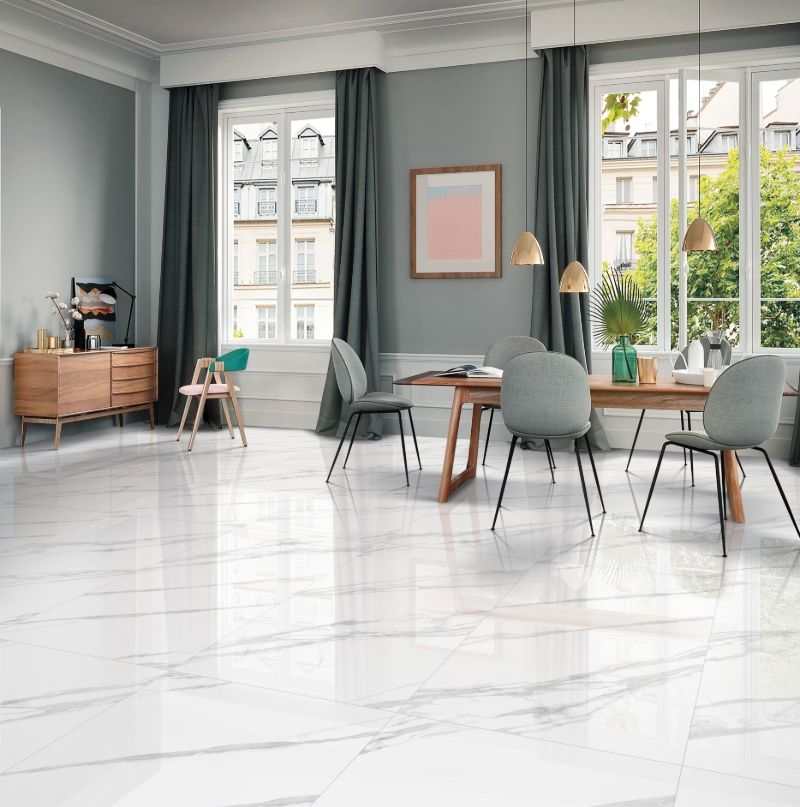
The Shift from Gloss to Matte and Tactile Finishes
Glossy surfaces once symbolized luxury, but they often lacked depth and practicality. Fingerprints, reflections, and maintenance challenges have made them less desirable in contemporary homes. The current preference leans toward matte, honed, and textured finishes that create a softer visual impact.
Matte surfaces diffuse light rather than reflecting it, resulting in a calm and balanced atmosphere. This shift is evident across countertops, cabinetry, flooring, and even wall finishes. Designers are embracing finishes that feel grounded and understated rather than overly polished.
Subtle variations in texture now add richness to spaces without relying on bold colors or shine. Surfaces are expected to engage the senses, not just the eyes.
Engineered Surfaces Replacing Traditional Marble
While marble remains a symbol of luxury, its role is evolving. Instead of being used everywhere, it is now complemented or replaced by advanced engineered materials such as quartz, quartzite-inspired surfaces, and porcelain slabs.
These alternatives offer the visual appeal of natural stone while improving durability and ease of maintenance. Quartz surfaces, for example, resist stains and scratches better than traditional marble, making them ideal for kitchens and high-use areas.
Engineered materials also allow for greater design flexibility. Seamless installations, consistent patterns, and customized finishes make them a practical choice for modern interiors.
The focus is shifting from rarity to performance, where materials are selected not just for their look but for how well they support daily living.
Rise of Raw and Organic Materials
One of the most defining trends is the return to raw, imperfect materials. Plaster walls, exposed concrete, natural wood, and clay-based finishes are becoming central design elements.
These materials bring a sense of authenticity and connection to nature. Instead of hiding imperfections, modern design celebrates them. Slight irregularities in texture, grain, or tone add character and uniqueness to each space. Wood, in particular, is gaining prominence in warmer tones, replacing cooler grey palettes that dominated previous years. Earth-inspired materials create a comforting environment that aligns with contemporary lifestyle preferences.
This movement toward organic materials reflects a desire for homes that feel lived-in, not staged.
Stone Reimagined with Softer Finishes
Stone is not disappearing from interior design; it is being redefined. Instead of high-gloss marble floors and walls, designers are opting for honed, brushed, or textured stone finishes.
Warm-toned stones in beige, cream, and earthy hues are replacing stark white marble. These softer palettes create a more inviting and timeless atmosphere. Large-format slabs with minimal joints are also gaining popularity, offering a seamless and expansive look.
Stone is now used more thoughtfully, often as a statement feature rather than a dominant material across all surfaces. This approach ensures balance and avoids visual heaviness.
The Emergence of Concrete and Industrial Textures
Concrete-inspired finishes are becoming a strong alternative to both marble and glossy laminates. These surfaces offer a minimalist yet bold aesthetic, blending well with modern and industrial interiors.
Concrete textures bring a raw elegance that feels both contemporary and timeless. They pair effortlessly with wood, metal, and glass, creating layered and visually interesting spaces.
Advancements in material technology have made concrete finishes more versatile, allowing them to be used in walls, countertops, and even furniture elements without structural limitations.
Wood and Veneer Innovations
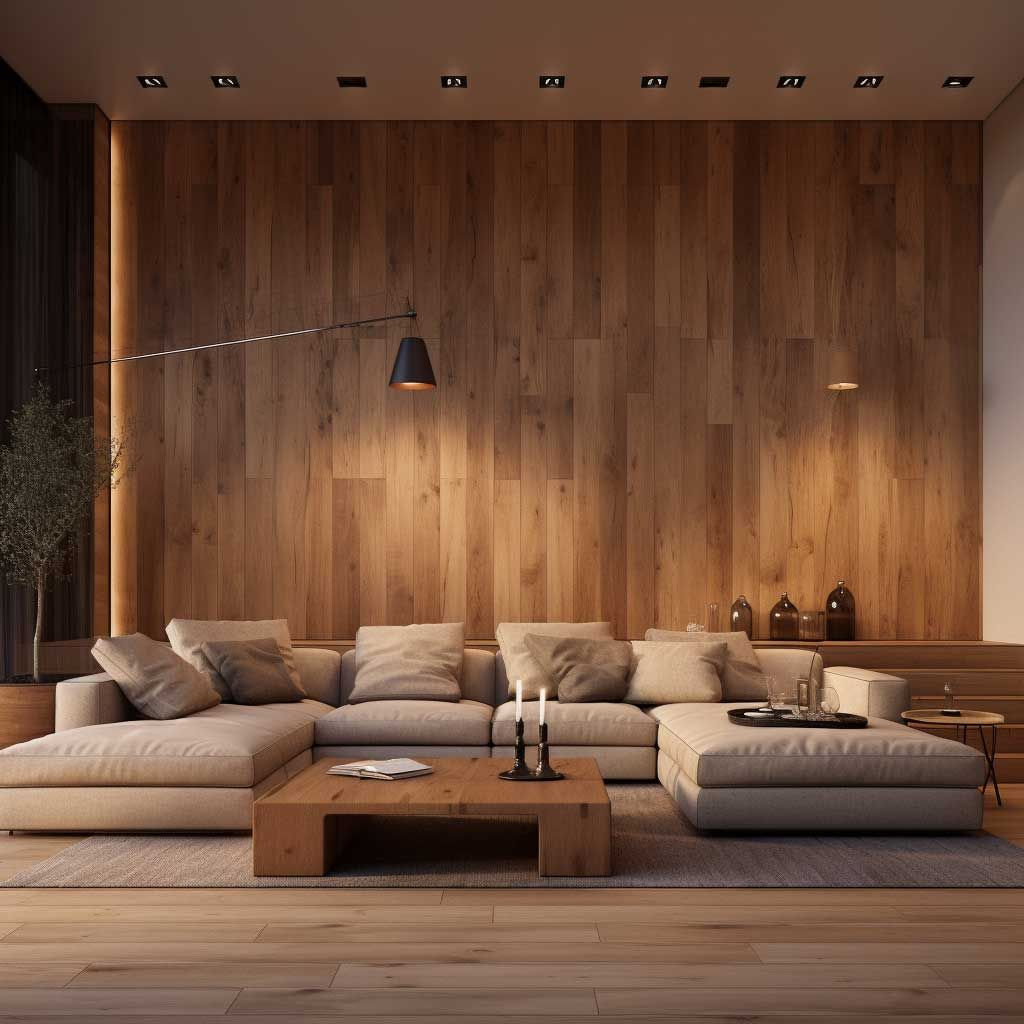
Wood is reclaiming its place as a dominant material in modern interiors. However, the approach has evolved from heavy, traditional finishes to lighter, more refined applications.
Engineered wood and veneer technologies now allow for consistent quality, improved durability, and sustainable sourcing. These materials offer the warmth of natural wood while being more adaptable to modern design needs.
Fluted panels, slatted walls, and layered wood textures are becoming key design features. They add depth without overwhelming the space, making them a preferred alternative to flat, glossy surfaces.
Textiles and Soft Finishes as Surface Elements
Another emerging trend is the integration of textiles into interior surfaces. Fabric panels, acoustic wall treatments, and woven finishes are being used to add softness and functionality.
These materials not only enhance aesthetics but also improve acoustics and comfort. They are especially popular in living rooms, bedrooms, and home offices where a sense of calm is essential.
Soft finishes balance harder materials like stone and concrete, creating a harmonious blend within the space.
Blending Materials for Layered Design
Modern interiors are no longer defined by a single dominant material. Instead, they embrace a layered approach that combines multiple textures and finishes.
A space may feature wood flooring, stone countertops, plaster walls, and metal accents, all working together to create depth and visual interest. This mix-and-match strategy allows for greater personalization while maintaining cohesion.
Designers are moving away from uniformity and embracing contrast, where each material contributes to the overall narrative of the space.
A New Definition of Luxury in Materials
Luxury is no longer about shine or opulence. It is about how thoughtfully materials are selected and integrated into the design. Surfaces that age gracefully, require minimal maintenance, and offer sensory richness are now considered truly premium.
At Veda studio, the focus is on creating interiors that feel timeless rather than trend-driven. By prioritizing texture, authenticity, and performance, modern homes achieve a balance that goes beyond visual appeal.
The transition away from marble-heavy and glossy interiors does not mean losing elegance. Instead, it introduces a more refined, understated form of luxury that resonates with contemporary living.
Design is evolving, and materials are leading this transformation. Homes that embrace this shift are not only visually compelling but also aligned with the future of interior design.