
In 2026, home design is no longer just about style preferences; it is about strategic enhancements that deliver measurable returns. Buyers today are highly informed, market-aware, and future-focused. They are drawn to properties that combine visual sophistication with functionality, sustainability, and advanced technology. Choosing the right Investment-Worthy Upgrades can significantly influence resale potential and long-term appreciation.
At Veda Studio, design decisions are guided not only by aesthetics but also by value creation. Every upgrade is evaluated through the lens of durability, demand, and desirability in the evolving real estate market.
1. Energy Efficiency as a Core Upgrade
Energy-conscious homes are dominating buyer preferences. Sustainability has shifted from being a luxury add-on to a fundamental expectation. Upgrading insulation, windows, and energy systems improves both comfort and operational cost efficiency.
High-performance glazing, solar panel integration, and advanced HVAC systems are becoming defining features of premium properties. These improvements reduce long-term expenses while enhancing market appeal.
Key enhancements that boost value include:
- Installation of solar-ready roofing systems
- Energy-efficient lighting and climate controls
- Smart thermostats for optimized consumption
Homes designed with sustainability in mind not only command higher selling prices but also stand out in competitive listings.
2. Kitchen Modernization for Maximum Impact
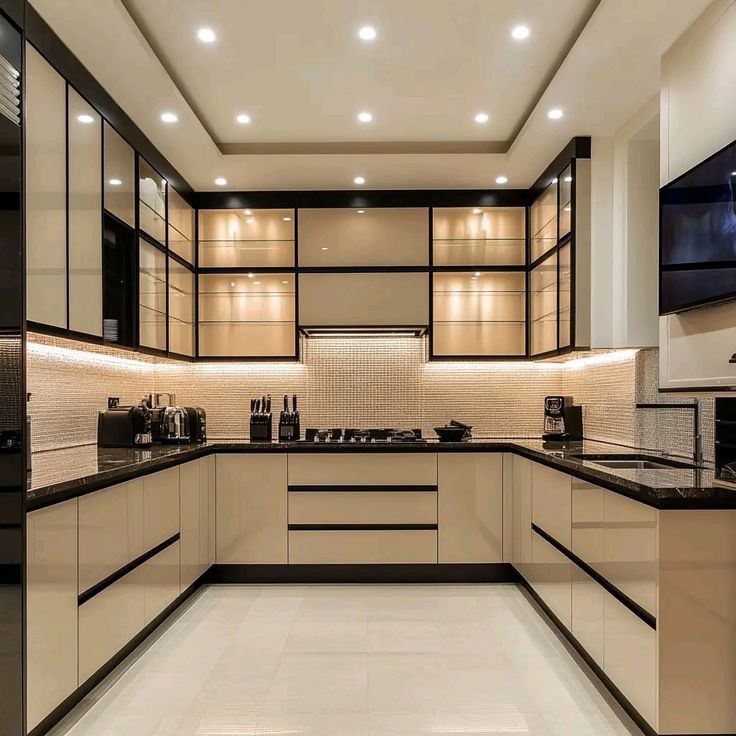
The kitchen remains one of the strongest value influencers in any home. In 2026, buyers are looking for seamless, clutter-free layouts paired with premium materials and integrated technology.
Upgrading countertops to durable stone surfaces, incorporating handle-less cabinetry, and installing built-in appliances instantly elevate visual appeal. Open kitchen concepts with islands continue to attract attention due to their blend of social and functional value.
Strategic improvements may include:
- Integrated appliances for a streamlined finish
- Soft-close storage solutions
- Under-cabinet lighting to enhance ambiance
Modernized kitchens deliver strong returns because they directly influence daily living experiences and buyer perception.
3. Spa-Inspired Bathroom Enhancements
Bathrooms have transformed into personal wellness zones. Simple cosmetic updates are no longer enough; buyers now expect immersive, calming environments.
Frameless glass showers, floating vanities, and layered lighting systems are becoming standard in high-value properties. Upgrading fixtures to premium finishes and incorporating water-saving technology increases both functionality and environmental appeal.
Well-executed bathroom upgrades can include:
- Rainfall shower systems
- Large-format tiles for seamless visual flow
- Backlit mirrors for refined lighting
These upgrades combine comfort with sophistication, making bathrooms a key selling feature.
4. Smart Technology Integration
Modern buyers are drawn to homes equipped with intuitive technology. Smart lighting, automated security systems, and centralized control panels enhance convenience and elevate perceived luxury.
Invisible integration is especially important. Concealed wiring, discreet speakers, and app-controlled systems maintain clean aesthetics while delivering advanced functionality.
Technology-driven improvements include:
- Biometric entry systems
- Automated blinds and climate controls
- Integrated home monitoring solutions
Such upgrades enhance safety, efficiency, and modern appeal, all of which contribute to higher resale value.
5. Flexible Living Spaces
Homes that adapt to multiple uses are increasingly desirable. With hybrid work models and evolving lifestyle needs, adaptable layouts add significant market advantage.
Converting underutilized areas into home offices, study corners, or wellness rooms increases functional square footage without major structural expansion. Built-in desks, concealed storage, and acoustic enhancements can transform a simple corner into a productive workspace.
Flexible design additions might involve:
- Sliding partitions for adjustable privacy
- Multi-functional furniture solutions
- Custom storage units to maintain order
Adaptability signals long-term usability, which buyers value highly in 2026.
6. Exterior and Outdoor Enhancements
Curb appeal remains a critical factor in property value. The exterior sets the first impression, influencing buyer expectations before they even step inside.
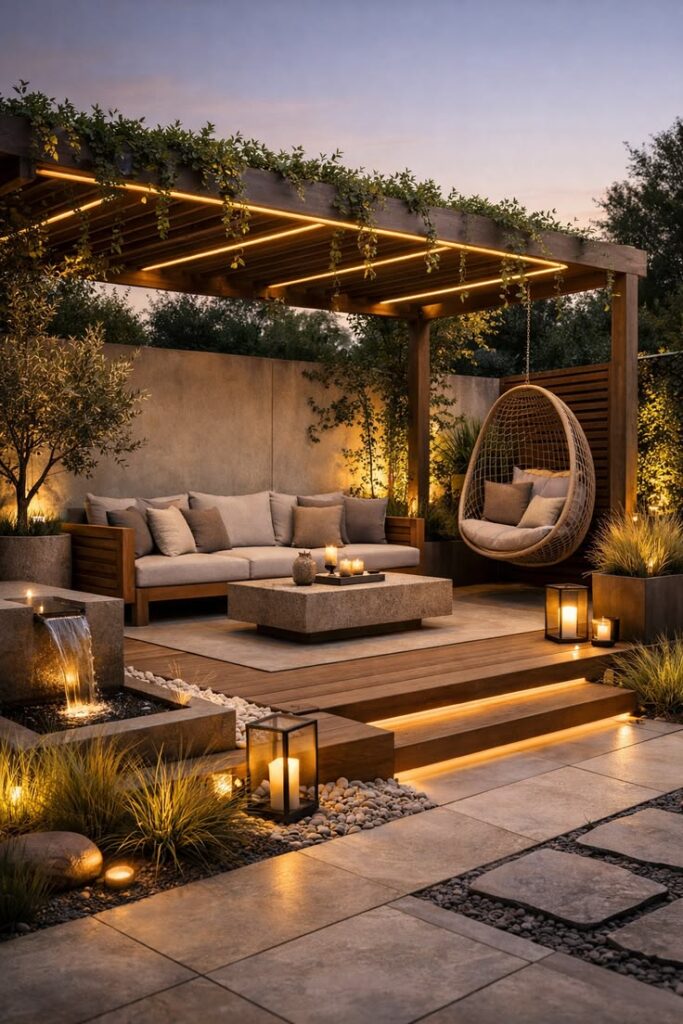
Upgrading landscaping, installing modern façade lighting, and creating usable outdoor zones can dramatically elevate a property’s perceived worth. Terraces, balconies, and garden seating areas extend living spaces while enhancing lifestyle appeal.
Strategic outdoor improvements include:
- Minimal landscape design with low-maintenance greenery
- Ambient lighting integrated into pathways
- Weather-resistant flooring for outdoor seating areas
7. Timeless Finishes Over Trend-Based Choices
While trends evolve quickly, timeless design sustains value. Neutral color palettes, natural textures, and clean architectural lines ensure longevity.
Instead of over-personalized finishes, opting for refined simplicity helps the property appeal to a broader market. Durable materials that age gracefully maintain both beauty and structural integrity.
Choosing quality over quantity is central to effective Property Value enhancement. Well-crafted joinery, precision detailing, and balanced layouts often outweigh excessive decorative elements.
Designing for Appreciation
In 2026, increasing property value requires thoughtful planning rather than impulsive renovations. Each upgrade should enhance daily living while strengthening long-term investment potential.
At Veda Studio, the approach to home upgrades combines innovation, sustainability, and timeless design. By focusing on energy efficiency, modern kitchens, spa-inspired bathrooms, smart integration, and adaptable layouts, homeowners can create spaces that are both desirable and financially rewarding.
True investment-worthy upgrades are those that blend elegance with practicality. When every design decision supports both lifestyle and resale appeal, a home becomes more than just a living space — it becomes a growing asset in a dynamic real estate landscape.